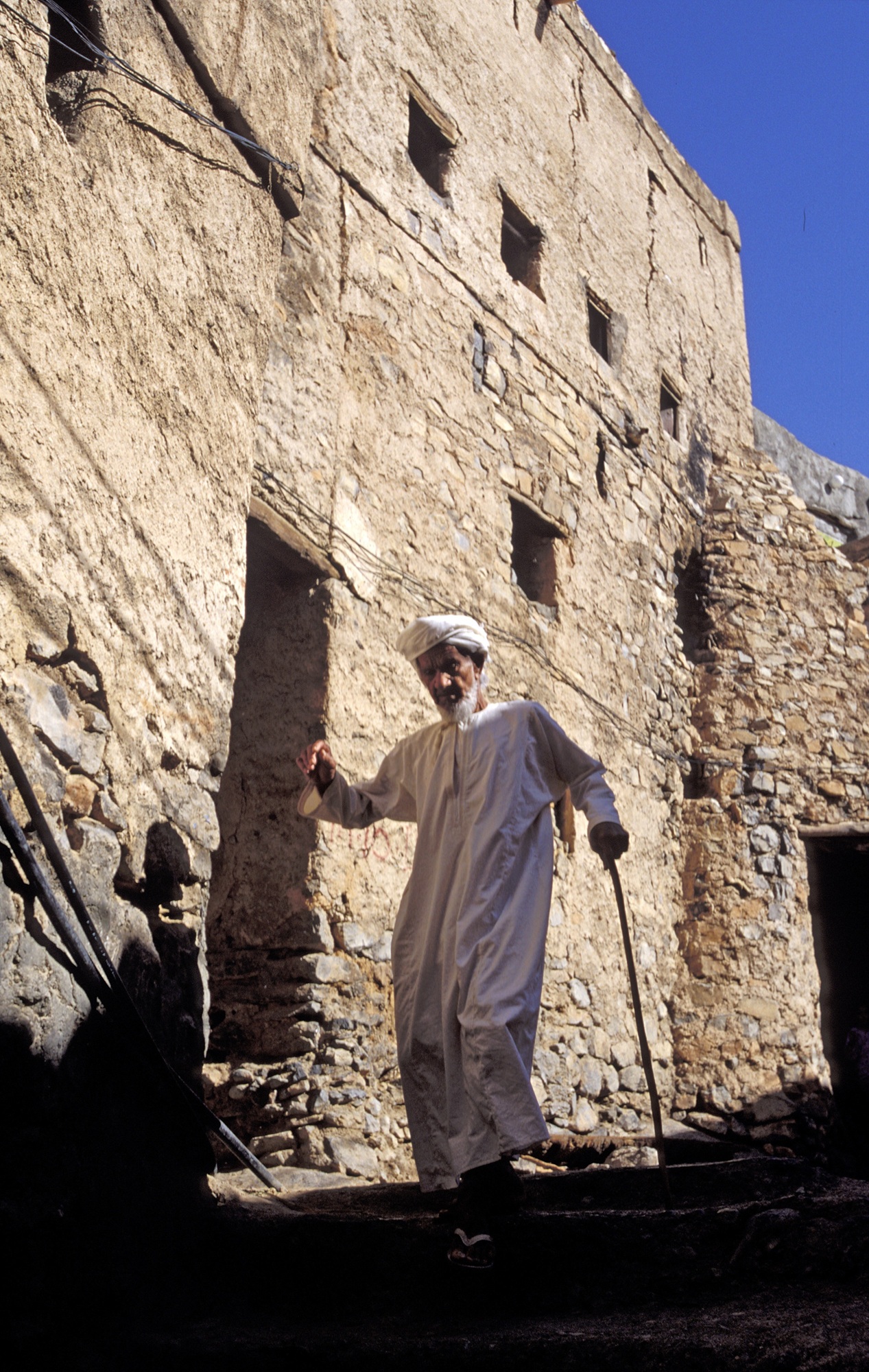
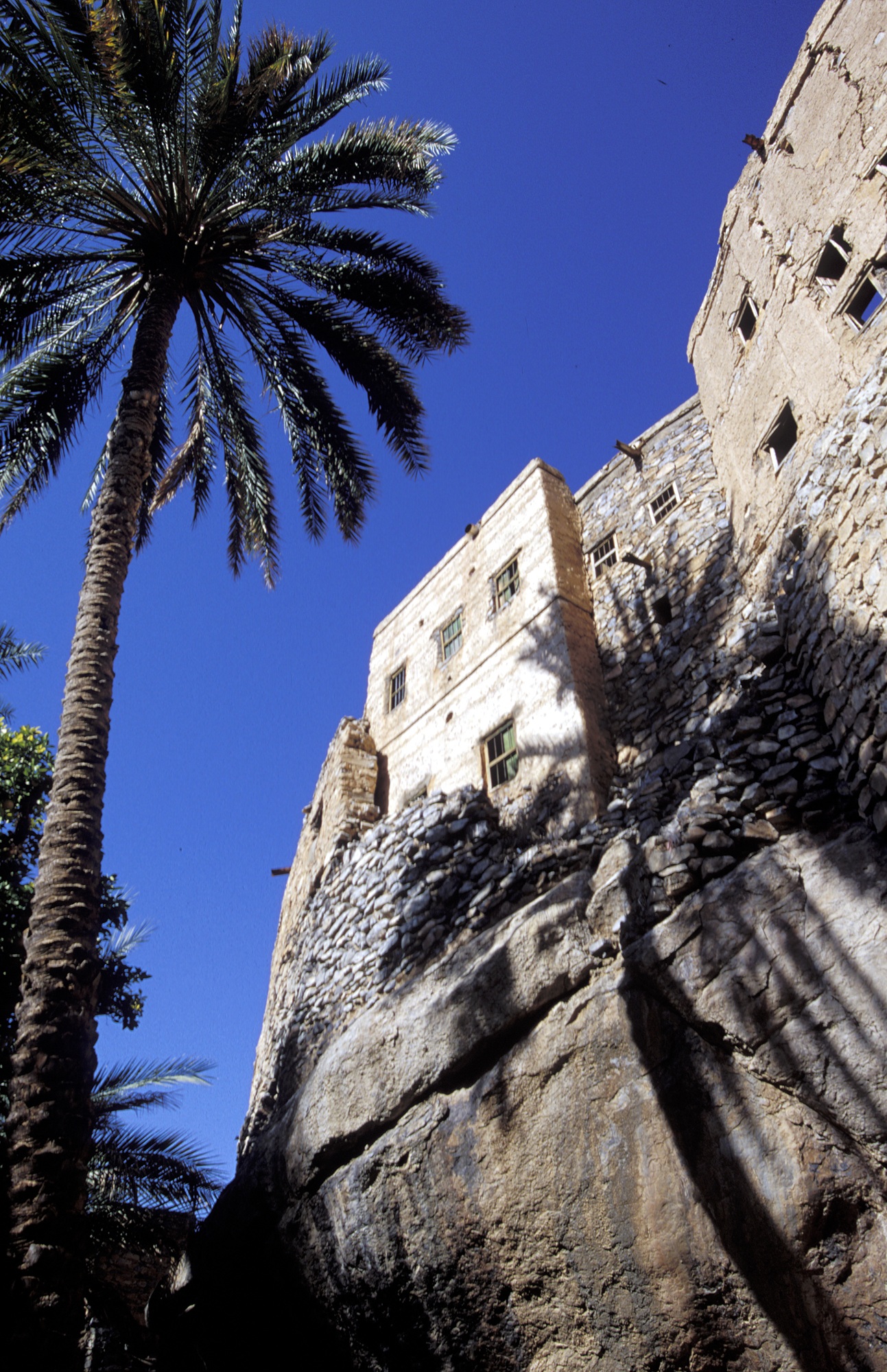
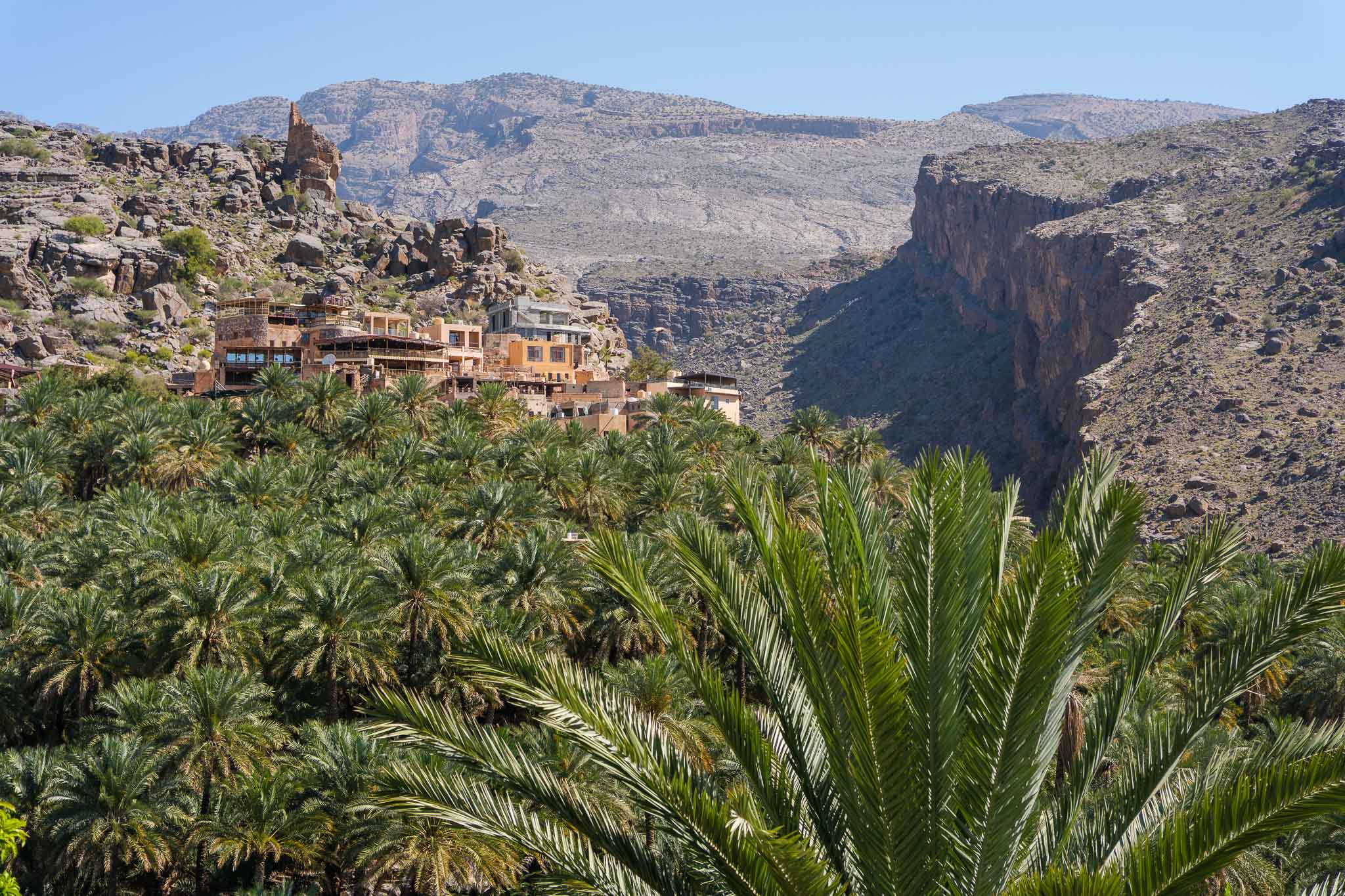
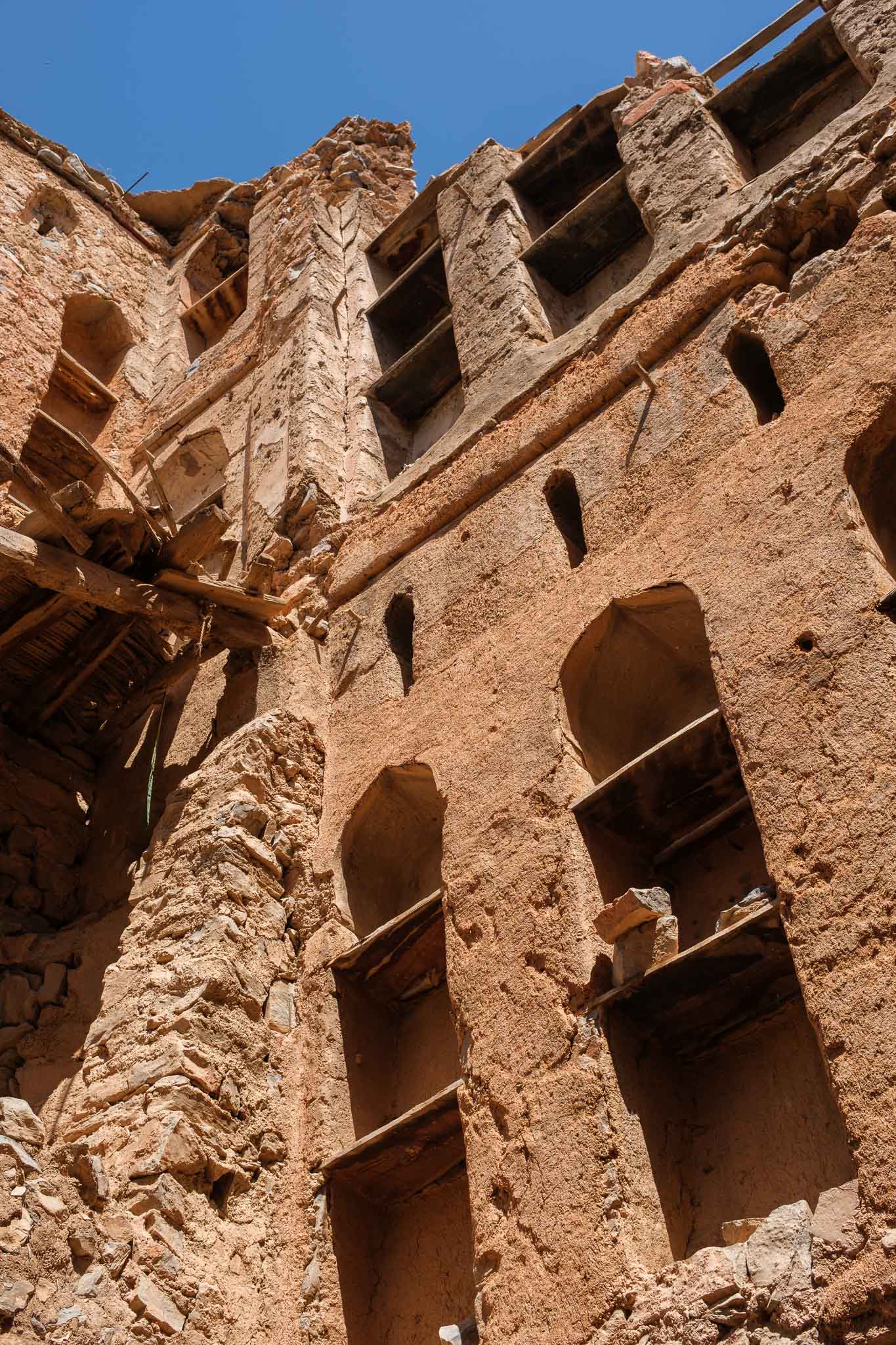
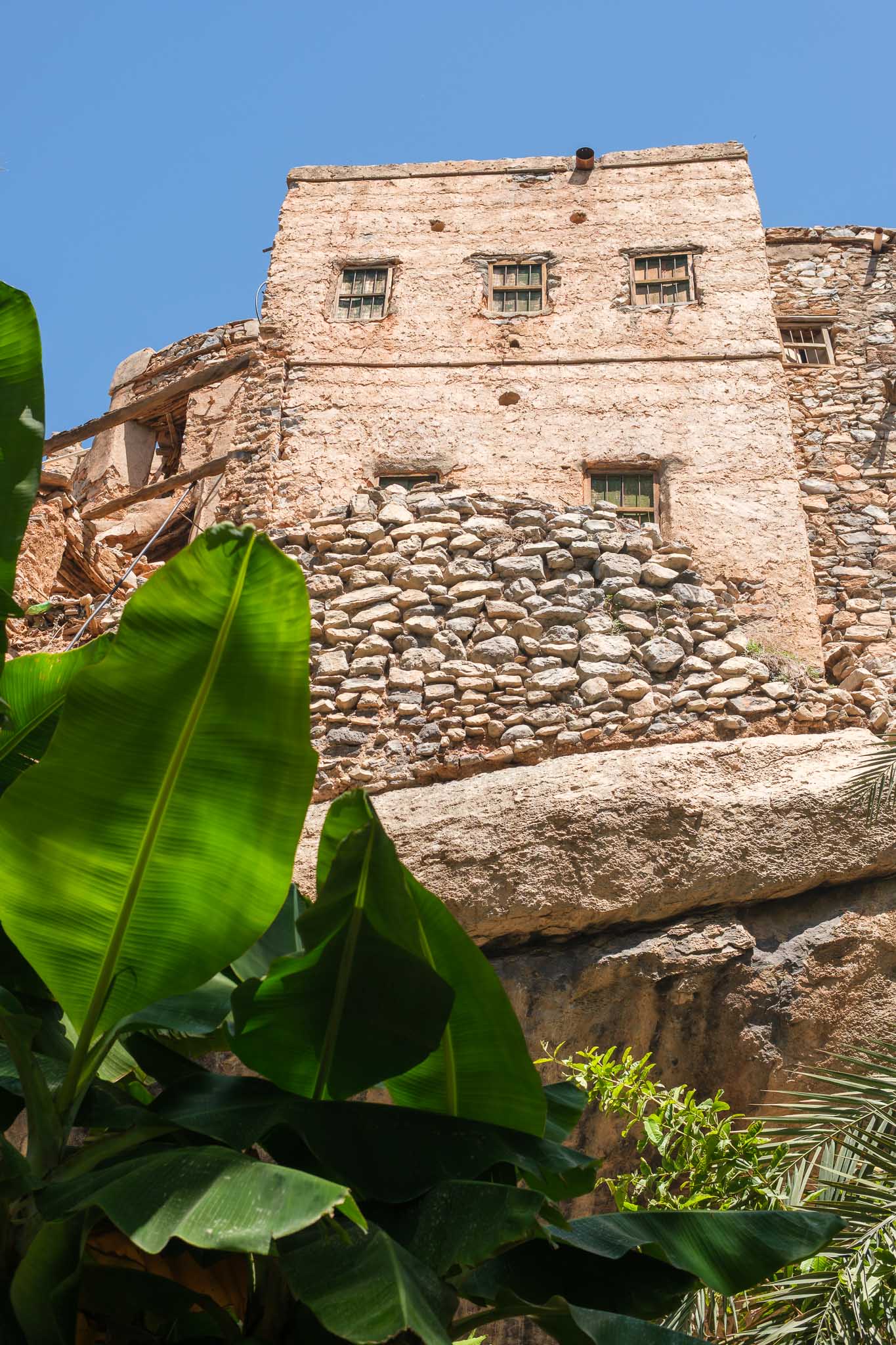
Misfat Al Abriyeen is one of Oman’s most picturesque and historic villages, located on the mountainside in Al Hamra. After spending the night camping in Jebel Hat, I always stop in this traditional Omani village for a nice walk (and coffee) amongst its green terraced farms. Despite the recent increase in tourism and visitors, walking along the narrow streets beside ancient mud-brick houses, and intricate falaj (irrigation) system, is still a nice experience. If you ignore the signs of modern times, Misfat seems like a place untouched by time, providing a window into the country’s past, with a rich heritage and traditional lifestyle. There is evidence of Persian occupation dating from 1,500 years; Misfat itself is at least 500 years old but the falaj system that maintains the terraces of palm and banana trees is said to be even older.
Photo from 2002. Scanned slide film.Photo from 2002. Scanned slide film.
The best (and really the only) way to visit Misfat is on foot; before exploring old Misfat, it is worth making a stop in the modern village across the valley, where most of the population lives. They still take care of the plantations, and slowly the old homes are being turned into guest houses. I still remember the first time I visited Misfat about 20 years ago; it was an abandoned village, with houses falling into disrepair and crumbling. There are several marked trails in the area that are worth exploring, as they will take you across the shaded green terraces. I walked around for a while, but the temperature and humidity were rising as the morning went on; thus, I stopped in a local coffee shop for a refreshing drink before driving back to Muscat.
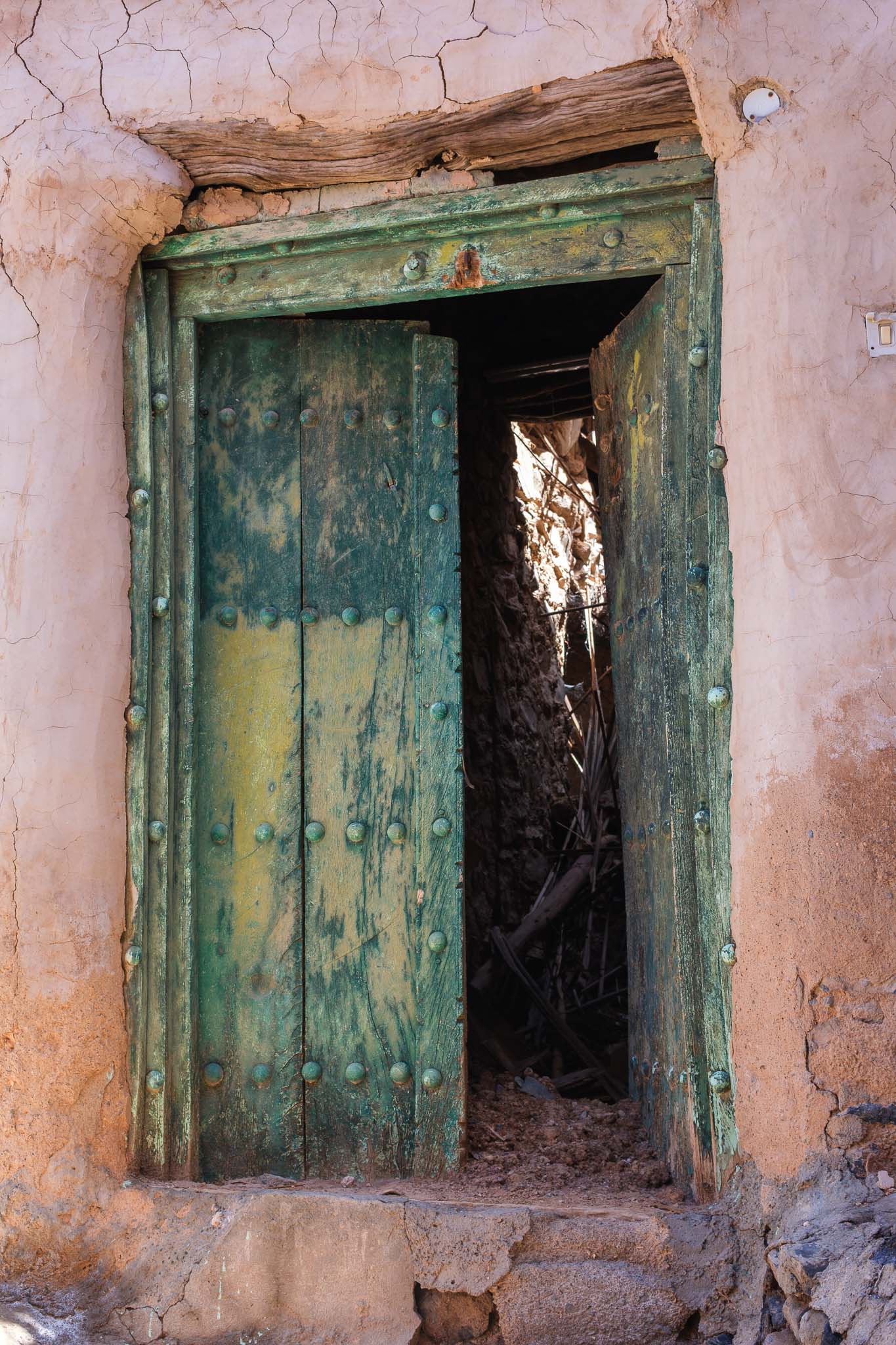
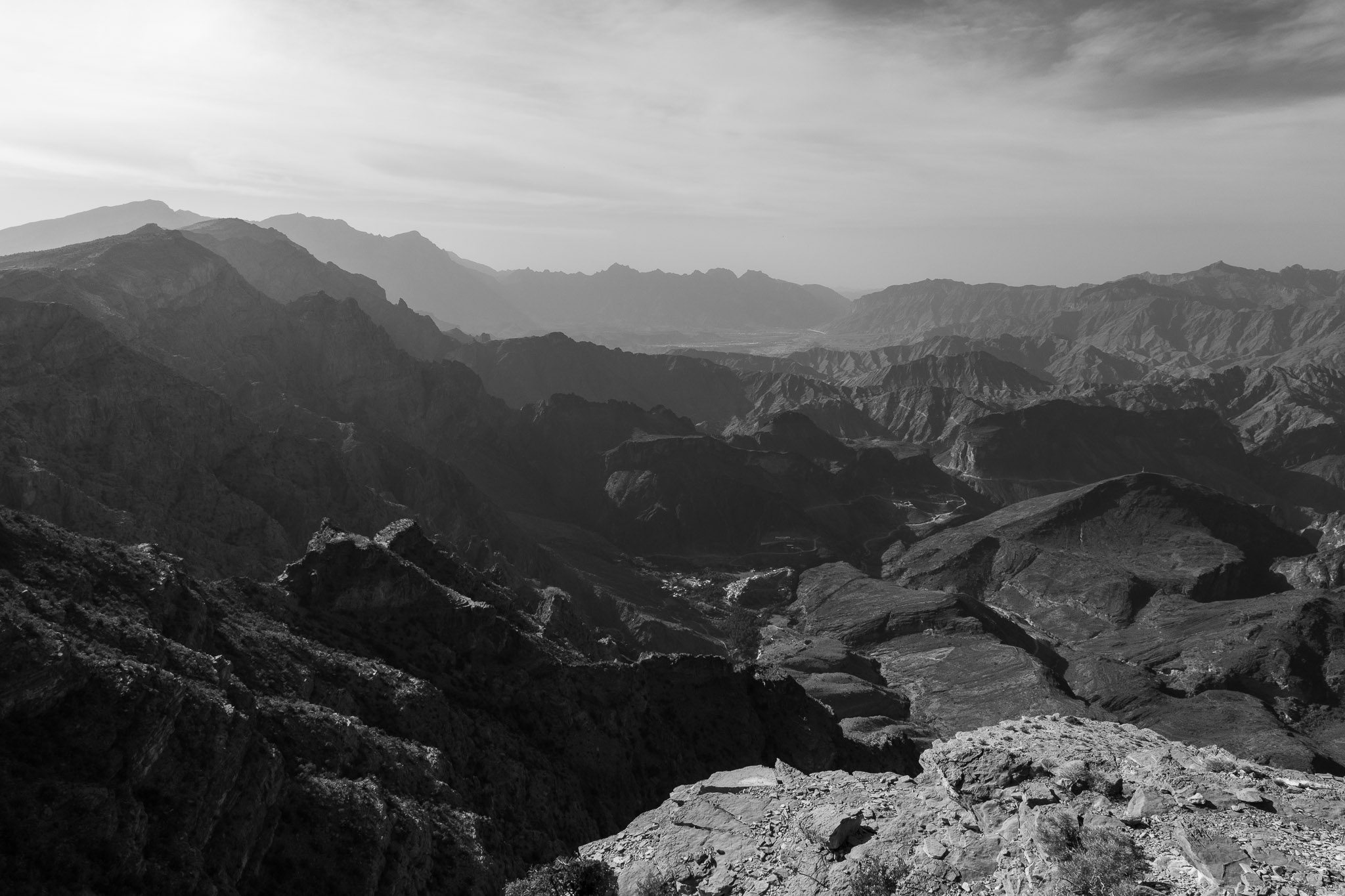
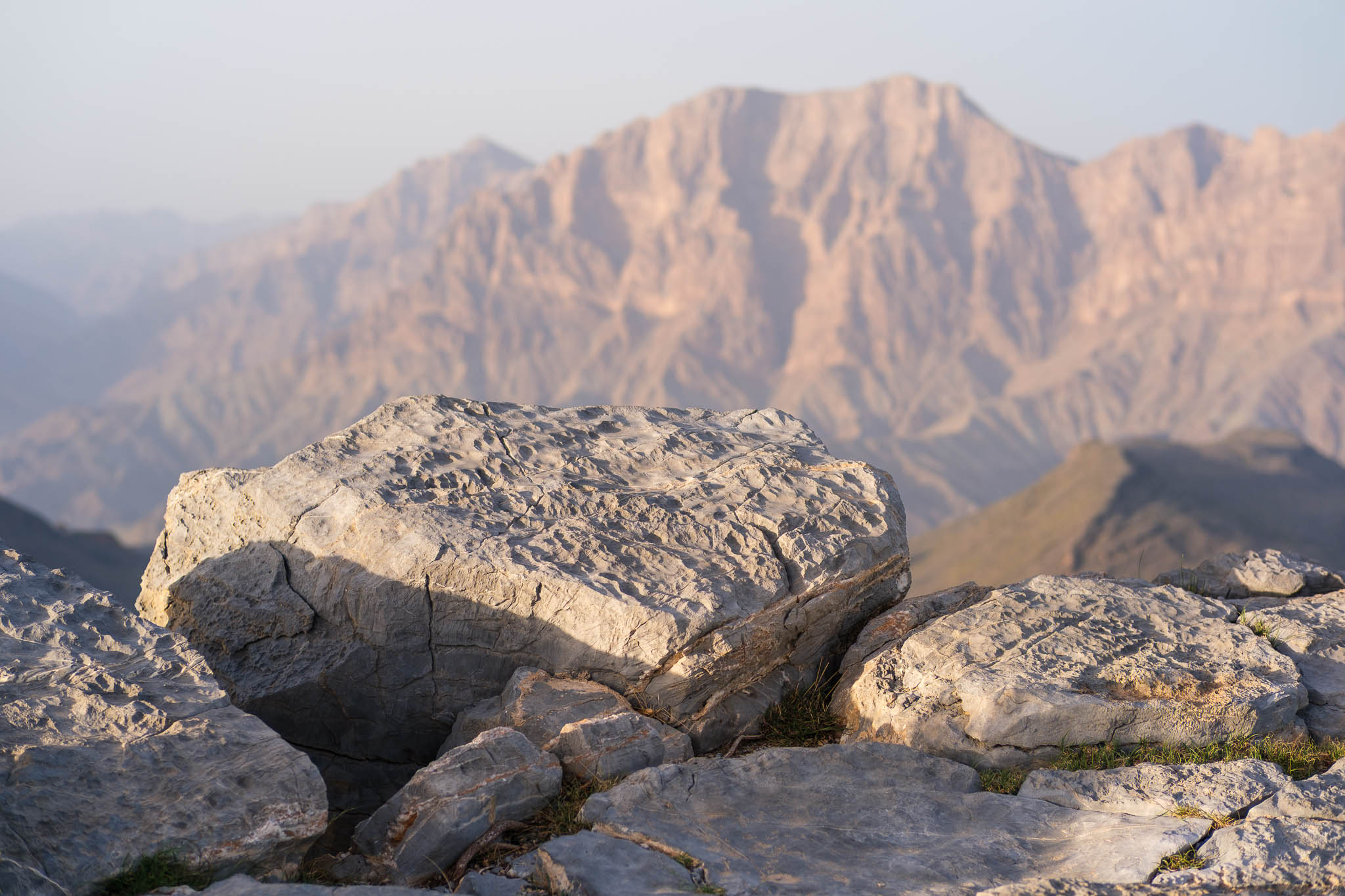
View from across the valley. Fujifilm X-T5, Voigtlander 50mm f/1.2.Old house. Fujifilm X-E5, Voigtlander 27mm f/2.Banana leaf. Fujifilm X-E5, Voigtlander 27mm f/2.In the village. Fujifilm X-E5, Voigtlander 27mm f/2.Door. Fujifilm X-E5, Voigtlander 27mm f/2.
Now that the heat has come to stay, visiting the mountains is one way to escape it. That is what I did a couple of weeks ago, with a weekend camping trip to my favourite camping place in Oman. I had not been there since October 2024, so I was excited to go back. This time, instead of taking the adventurous gravel road coming up from the north side via Wadi Bani Awf, I took the leisurely tarmac road that starts in the southern side, near Hamra.
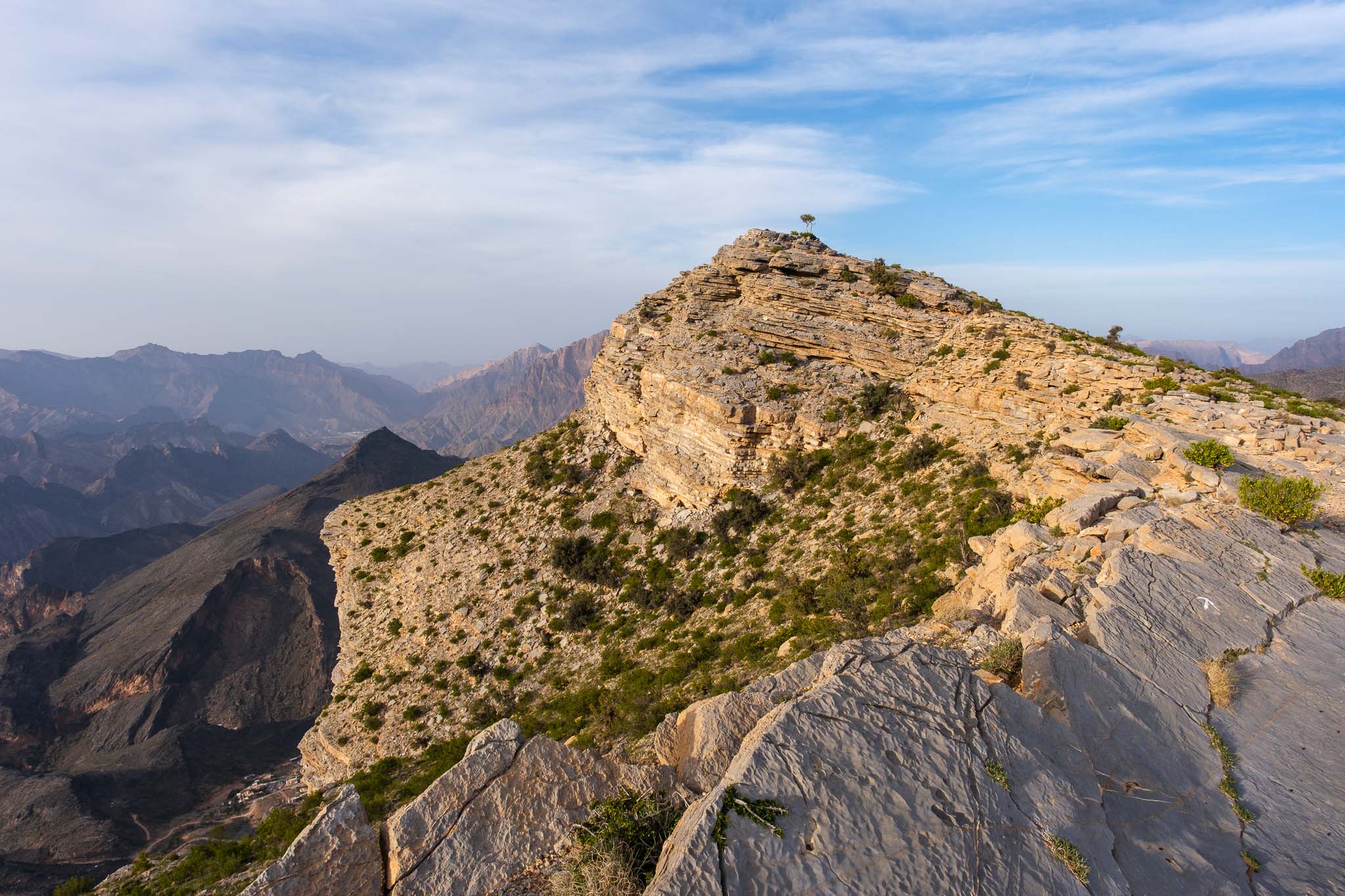
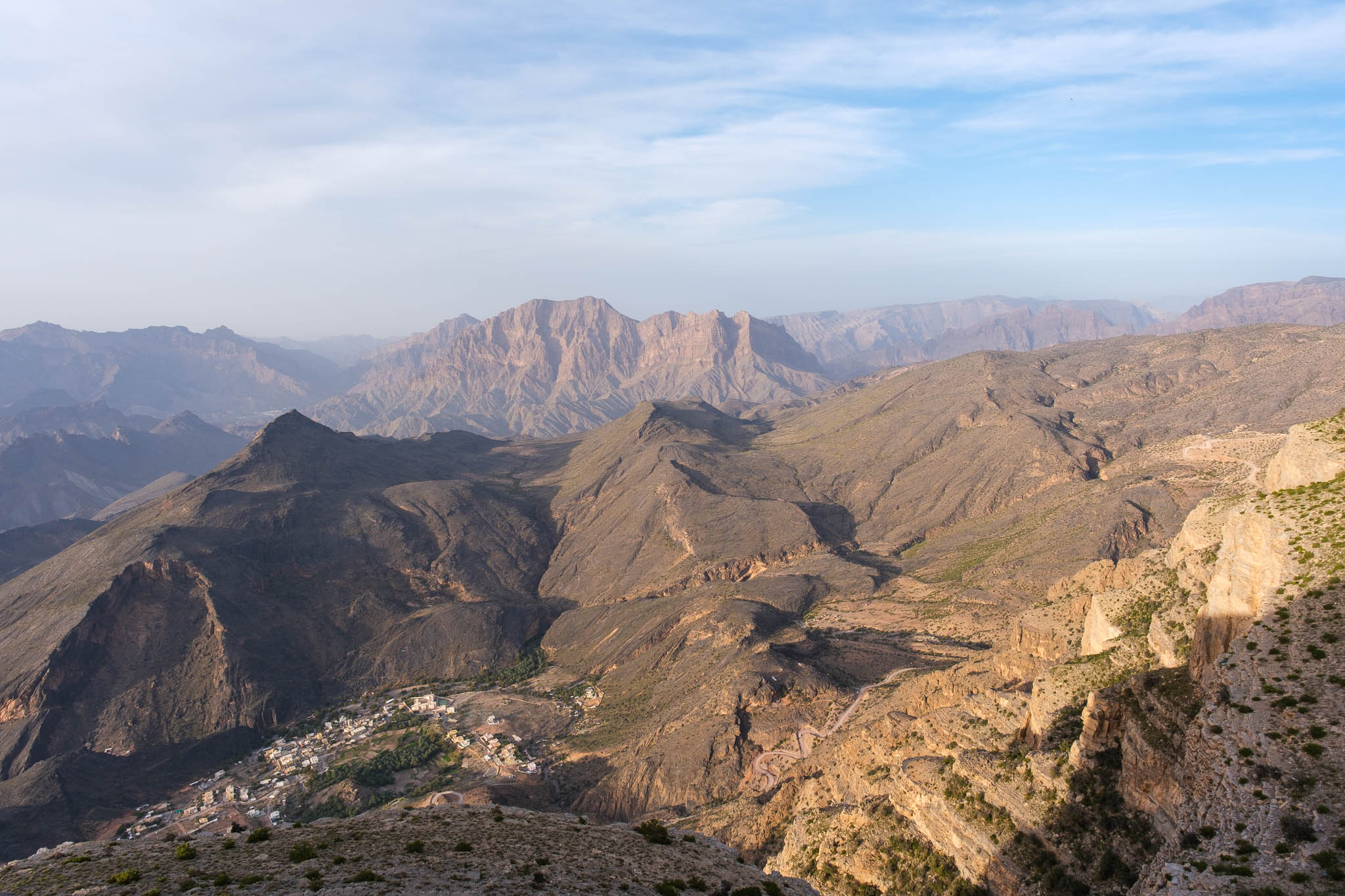
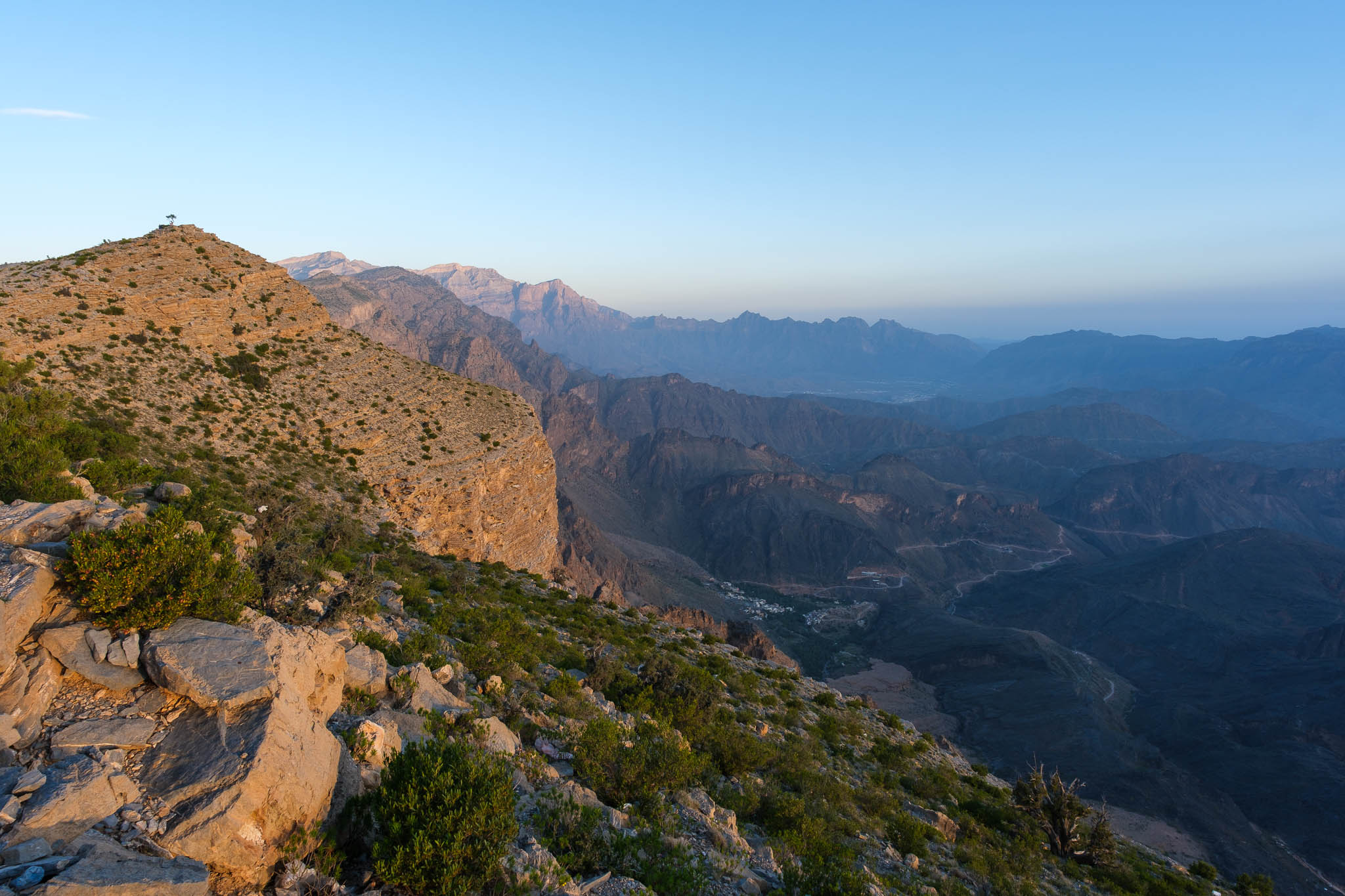
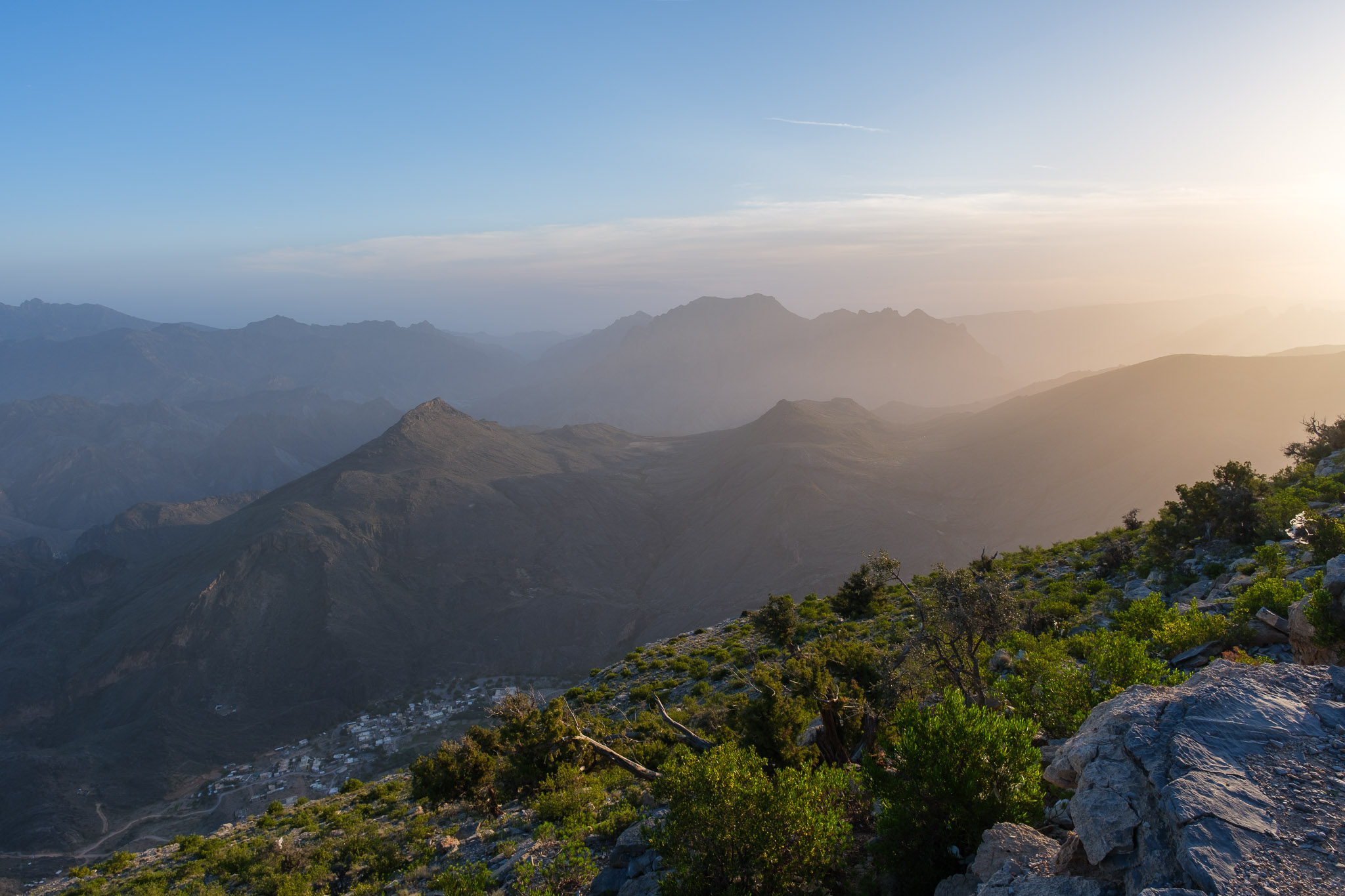
Arriving in time for a late picnic lunch, I setup camp and took a stroll to the edge of the mountain, admiring the fantastic view over Jebel Shams, Wadi Bani Awf and Wadi Sahtan. I never tire of this scenery. First time I was here was in February 2003, during my first time in Oman.
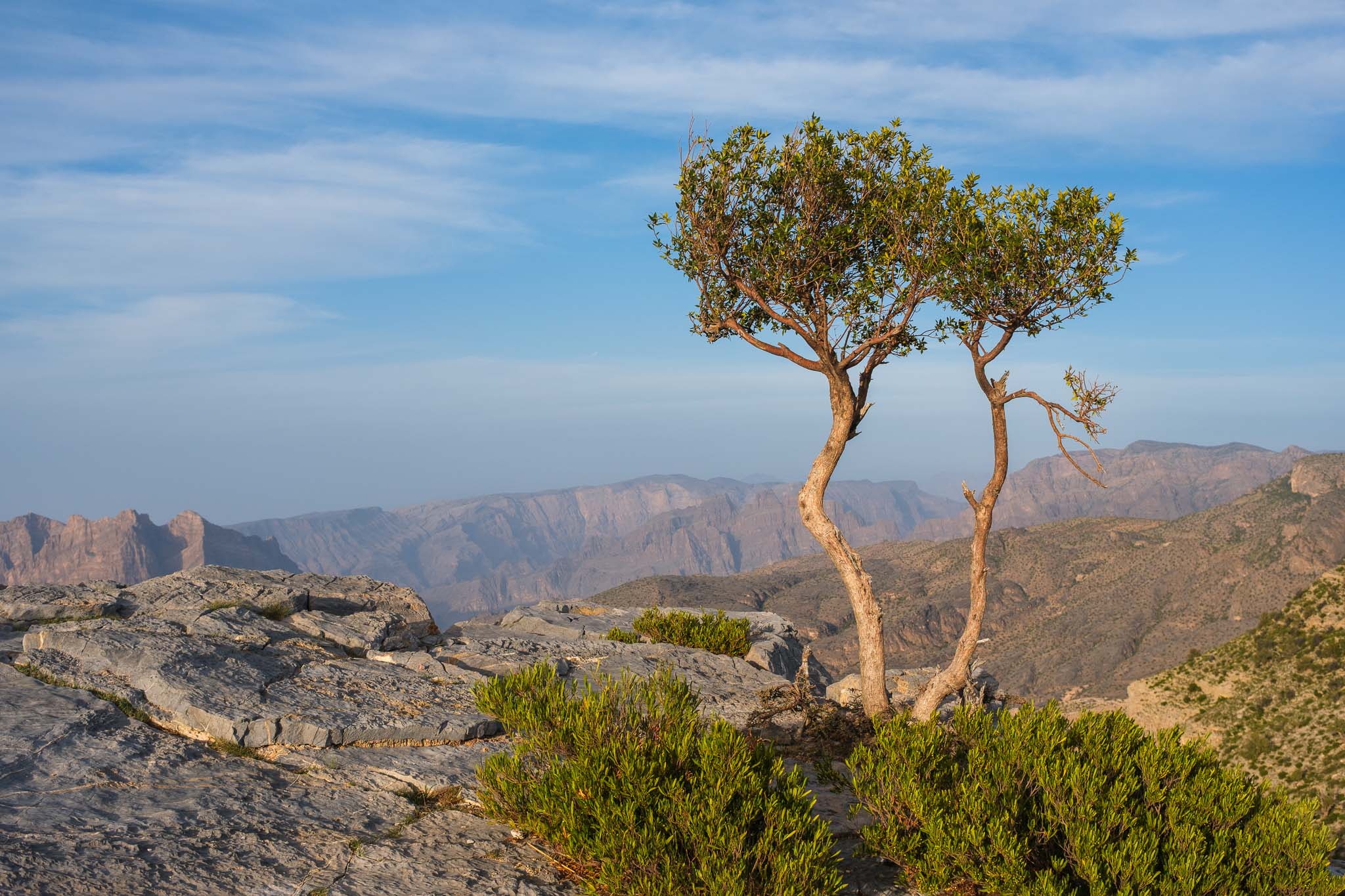
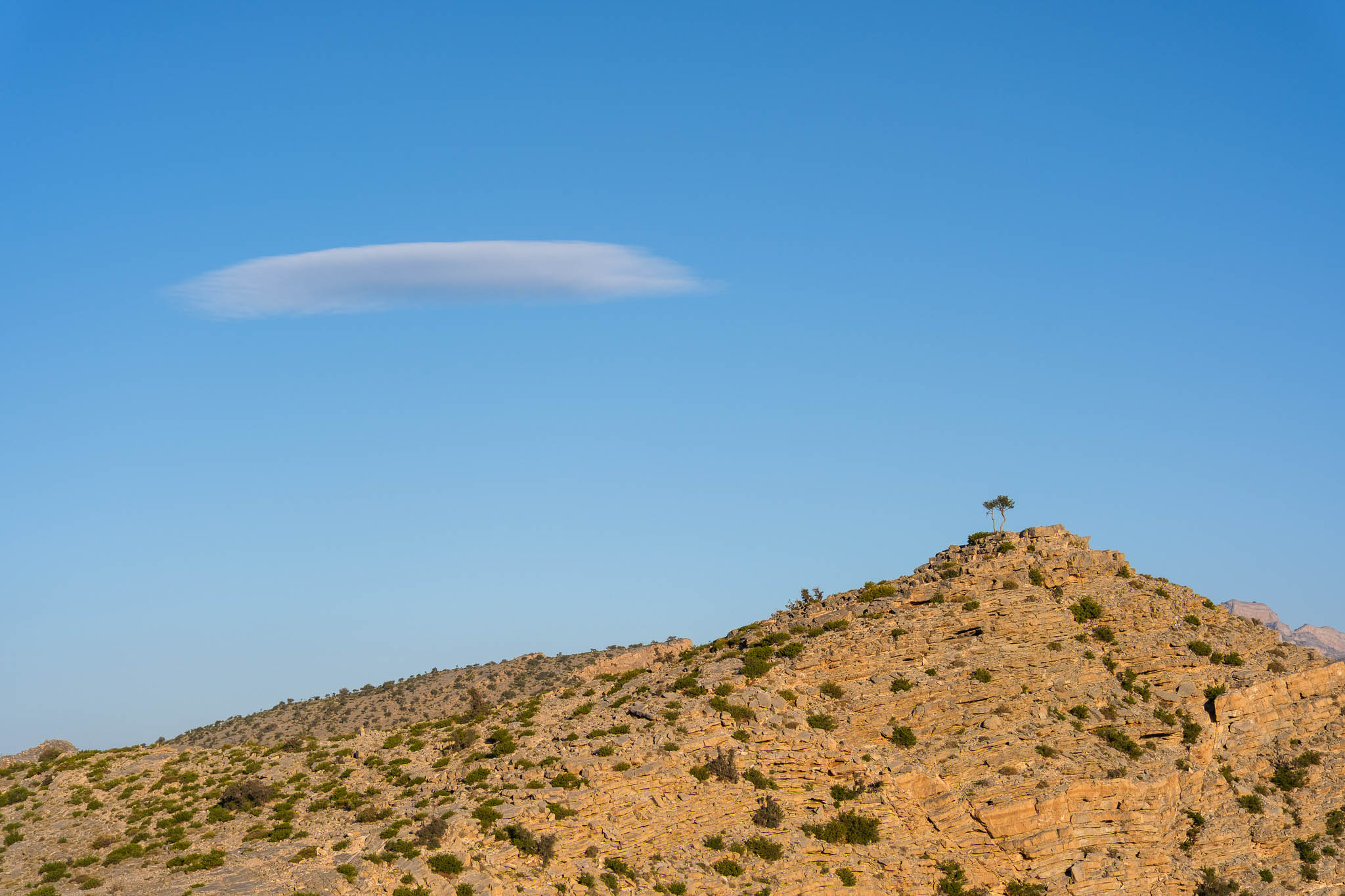
The hill in the previous photo is a privileged spot to admire the view; the small tree at its top provides an interesting photographic subject too. The village of Hat can be seen nested against the mountain, way down.
Fujifilm X-E5, Voigtlander 27mm f/2.The village of Hat. Fujifilm X-T5, Sigma 15mm f/1.4.
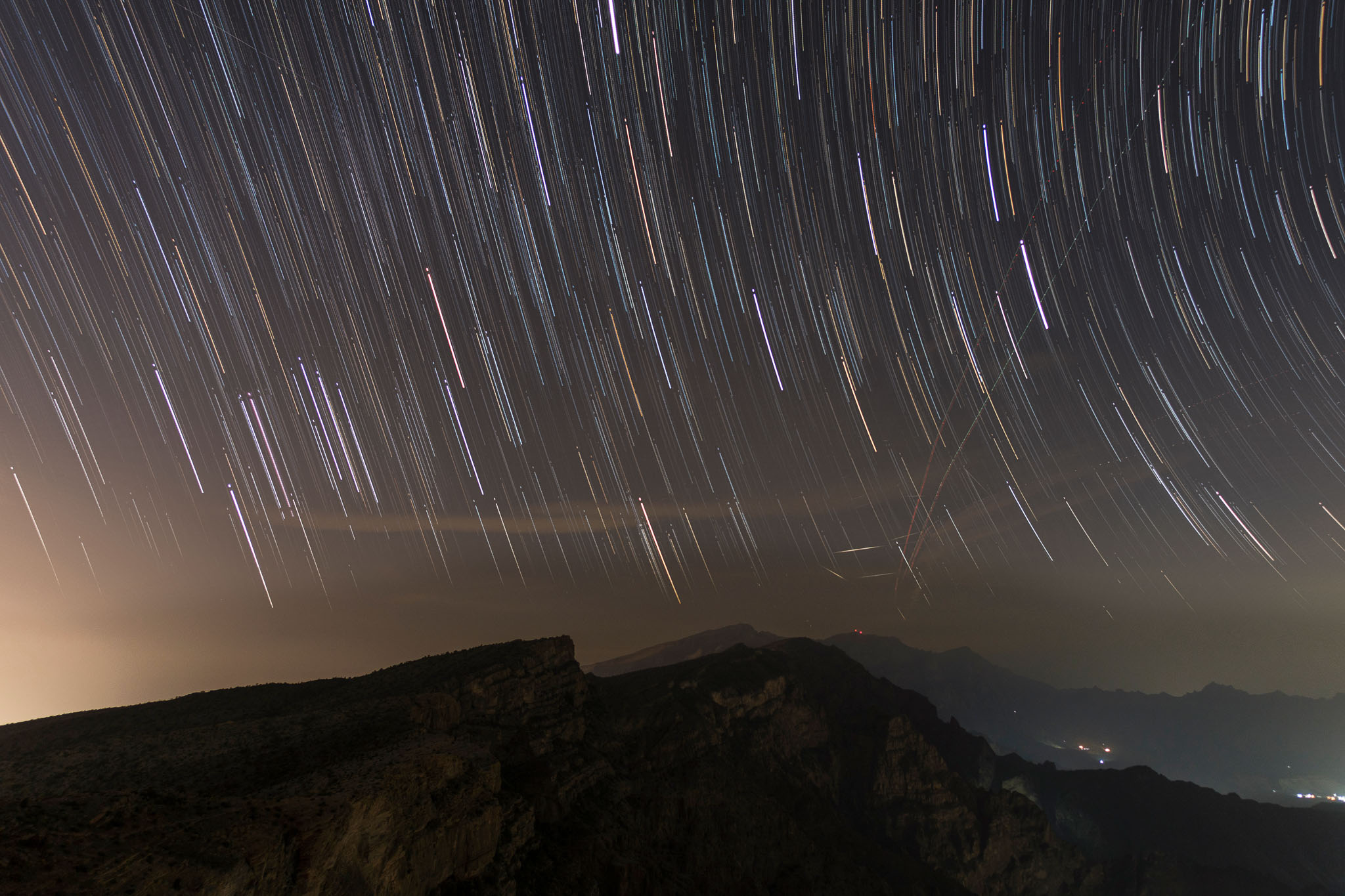
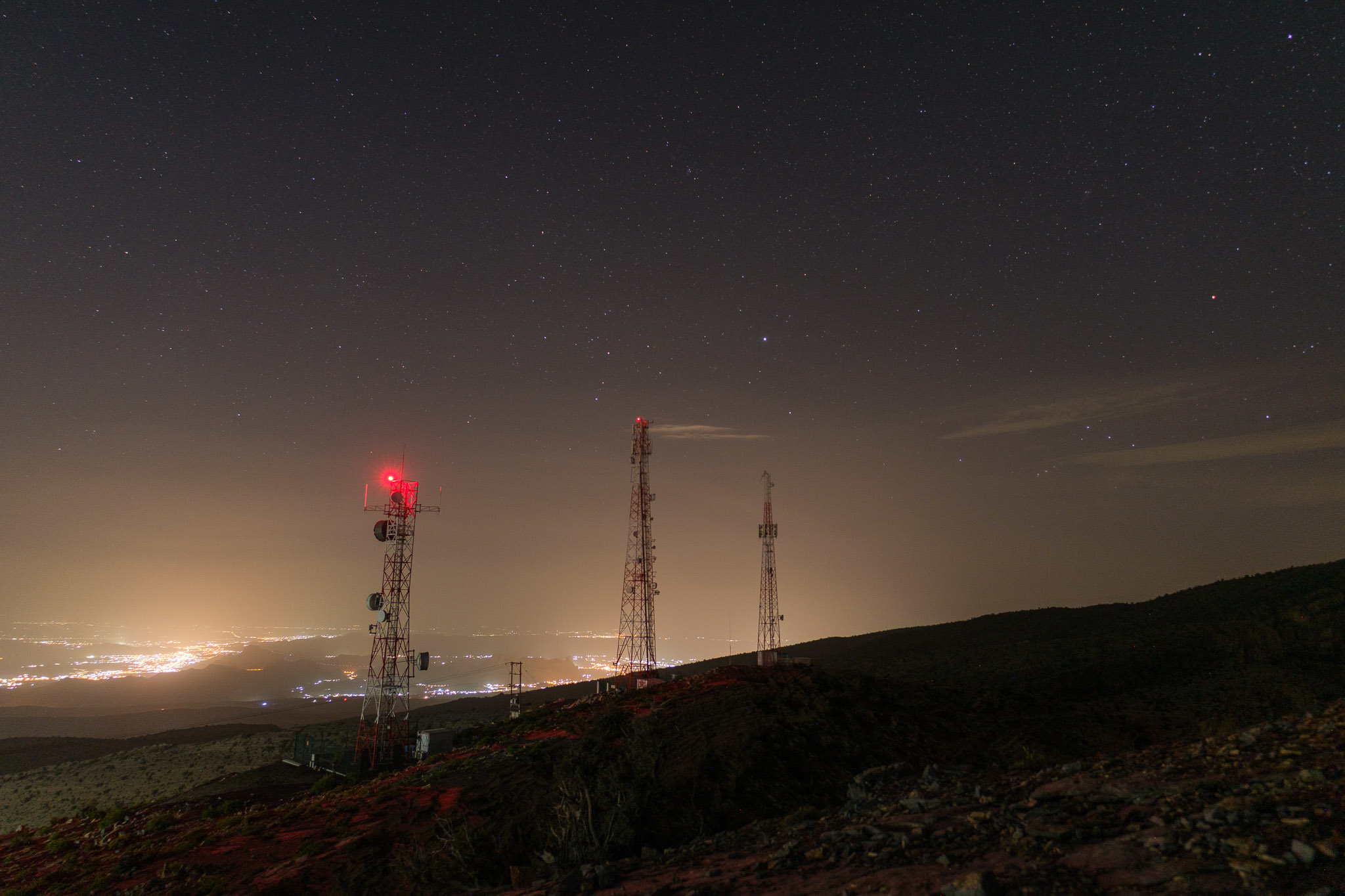
After this initial photo session, I rested for a while and had a nice dinner by a fire. My plan was to set up my camera and wide-angle lens to photograph a star trail; however, a strong wind forced me to cut the session short, and I only got about 30 minutes of total time. In the distance, roughly 30 km away, I could see the lights from the Jebel Shams antenna station.
Star trail over Jebel Shams. Fujifilm X-T5, Sigma 15mm f/1.4.Looking down the southern flank, towards Hamra. Fujifilm X-T5, Sigma 15mm f/1.4.
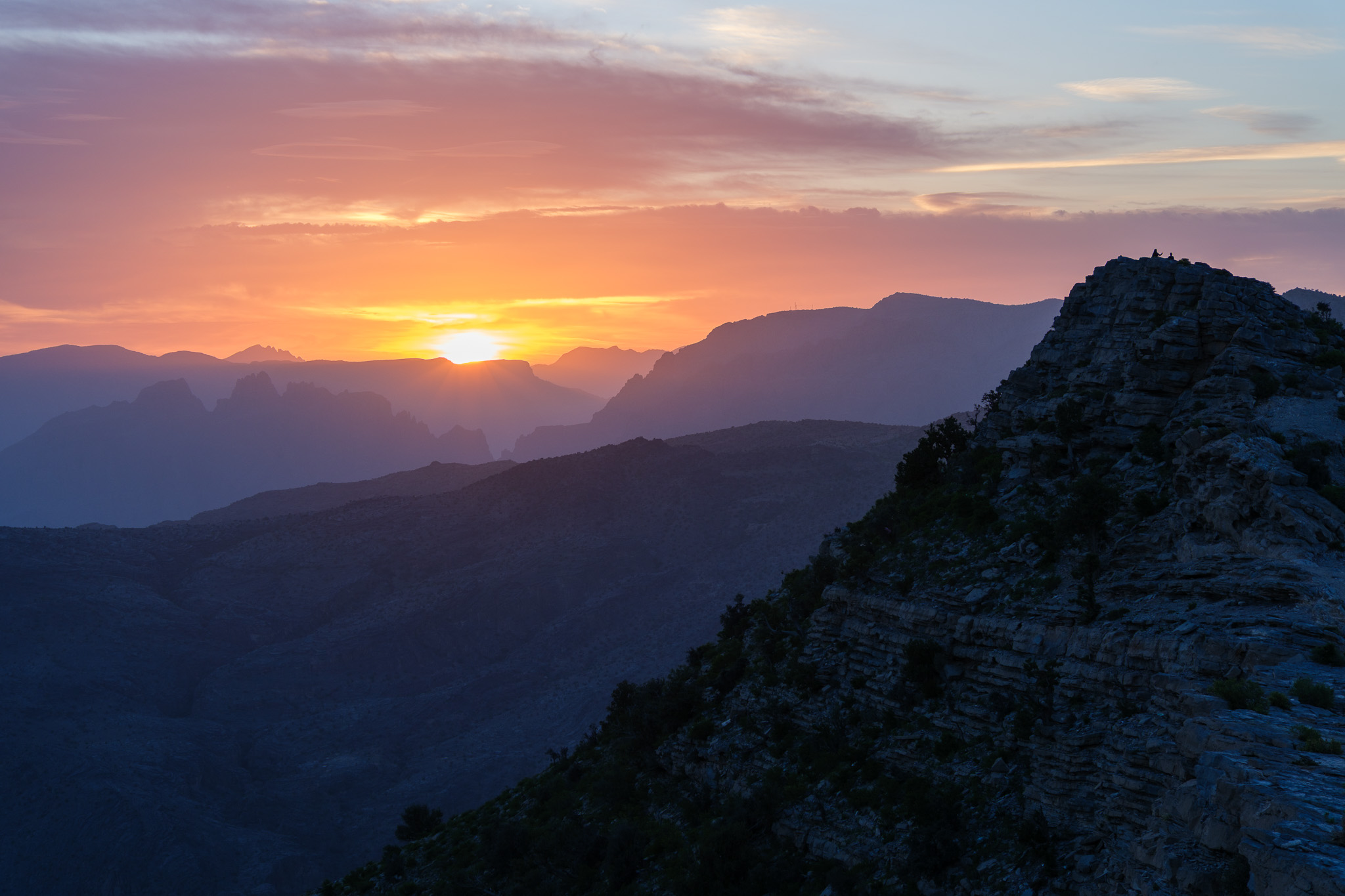
Following a good night´s sleep in the tent, I woke up to photograph a beautiful sunrise. To the north, the light started to illuminate Jebel Shams, slowly creeping down towards the village of Bilad Sayt. I always enjoy this time of the day, when everything is still quiet with no wind and crisp atmosphere.
First light over Jebel Shams peak and North Wall. Fujifilm X-T5, Sigma 15mm f/1.4.Sunrise. Fujifilm X-T5, Voigtlander 50mm f/1.2.Ranges. Fujifilm X-T5, Sigma 15mm f/1.4.Cloud. Fujifilm X-T5, Voigtlander 50mm f/1.2.
This type of light is brief, but while it lasts it is magical. After a well deserved breakfast, I packed my camping gear and left. I know I will return, of course. In the meantime, that day I drove down to Hamra to visit the picturesque village of Misfat Yabreen, but that will be another blog post.
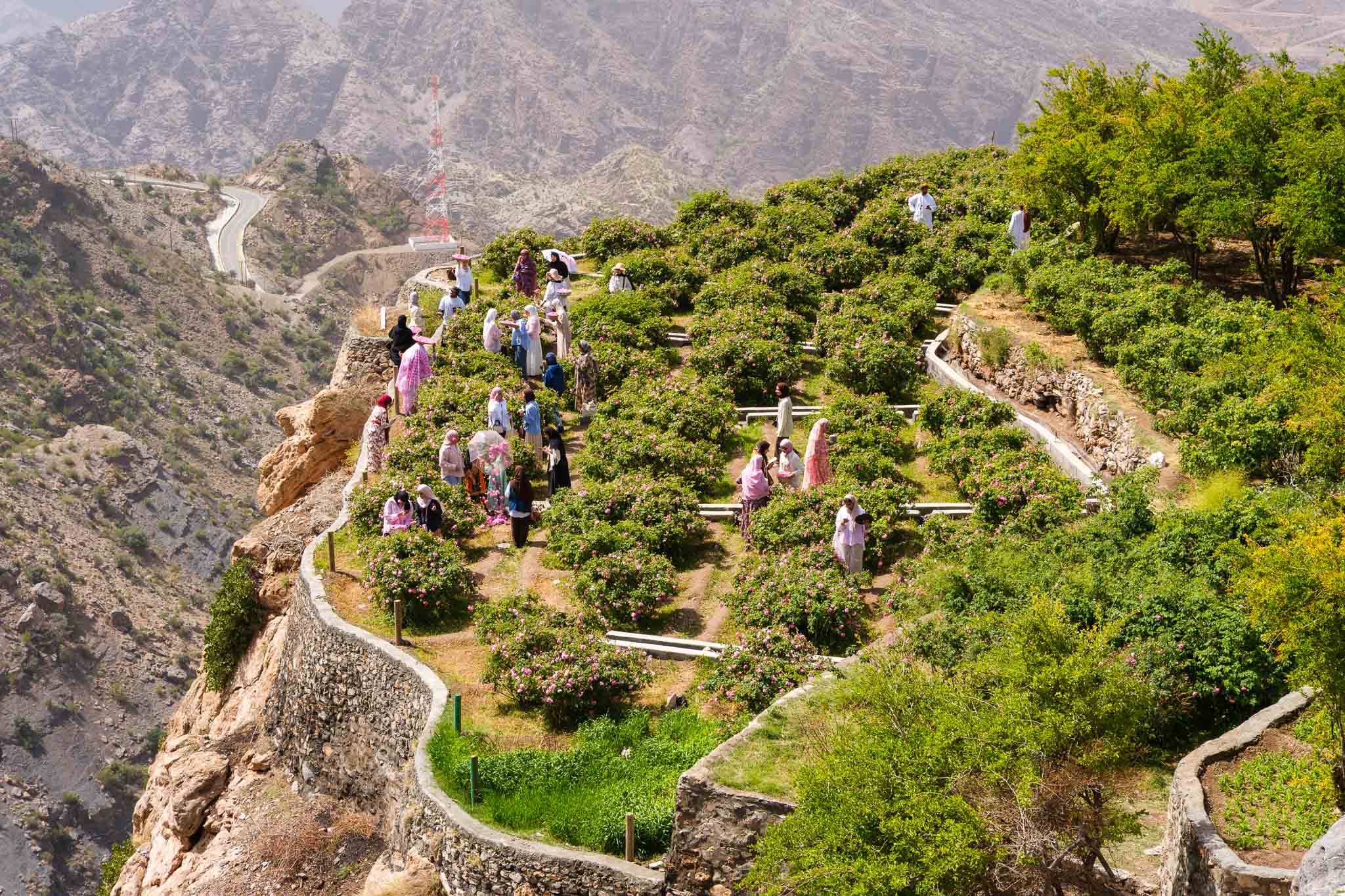
Every April the “rose season” attracts many visitors to the mountain terraces of Jebel Akhdar. Walking amongst the pink flowers that fill the air with their perfume is a unique experience, which can be complemented by visiting a traditional rose water distillery. The temperature at this higher altitude is pleasant and cool, inviting leisurely walks. This year I visited the area again, enjoying the mountain scenery and the picturesque villages. As always, Omanis are friendly and welcoming. However, I spent less time up in the mountain, because I wanted to visit Birkat Al Mawz (which translates to “Banana Pool”), a famous village located at the foothills of Jebel Akhdar. It is a historic village featuring UNESCO-listed falaj irrigation channels dating back 1,500 years, abandoned mud-brick ruins, lush date palm groves, and nice walking trails.
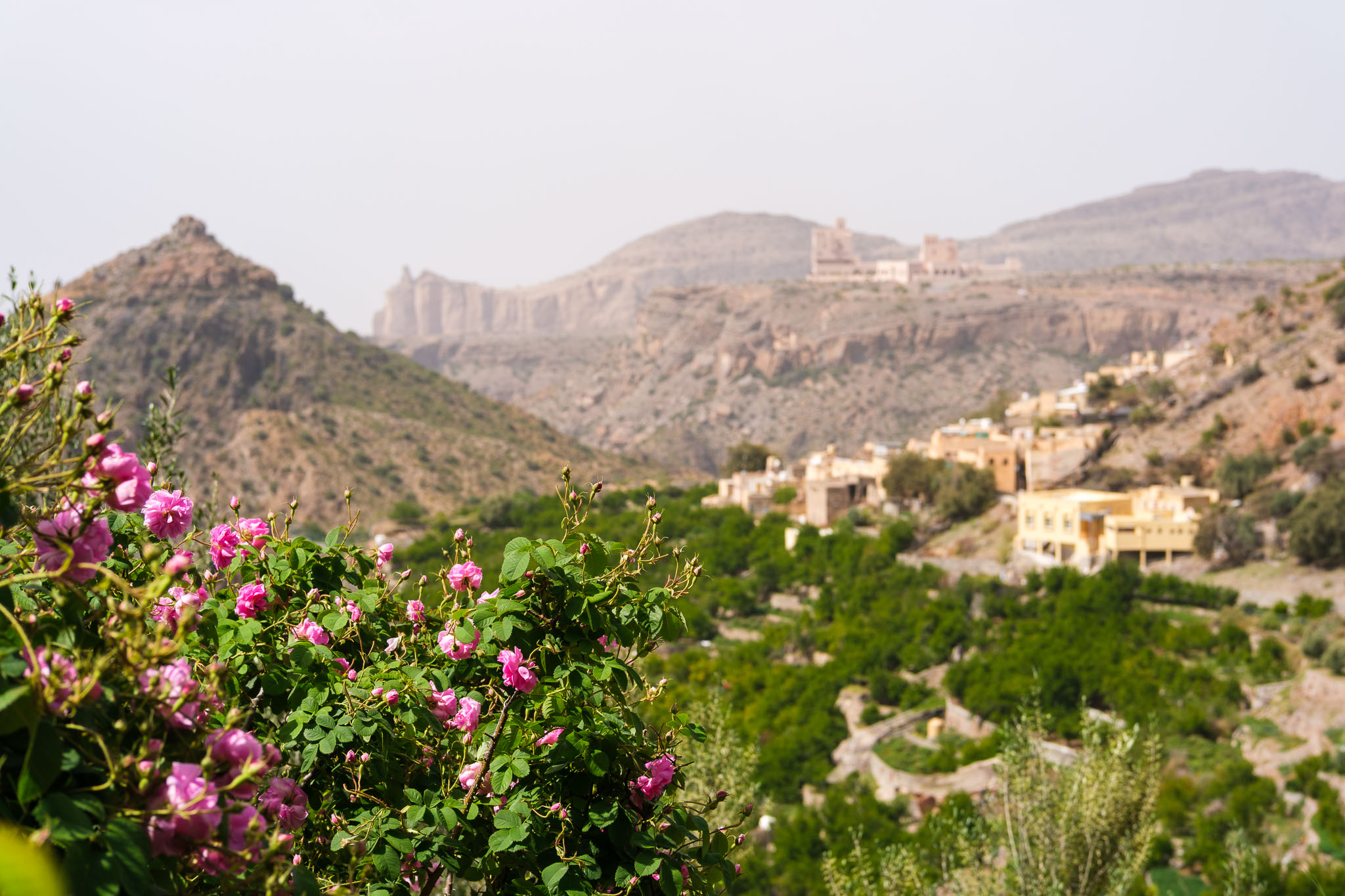
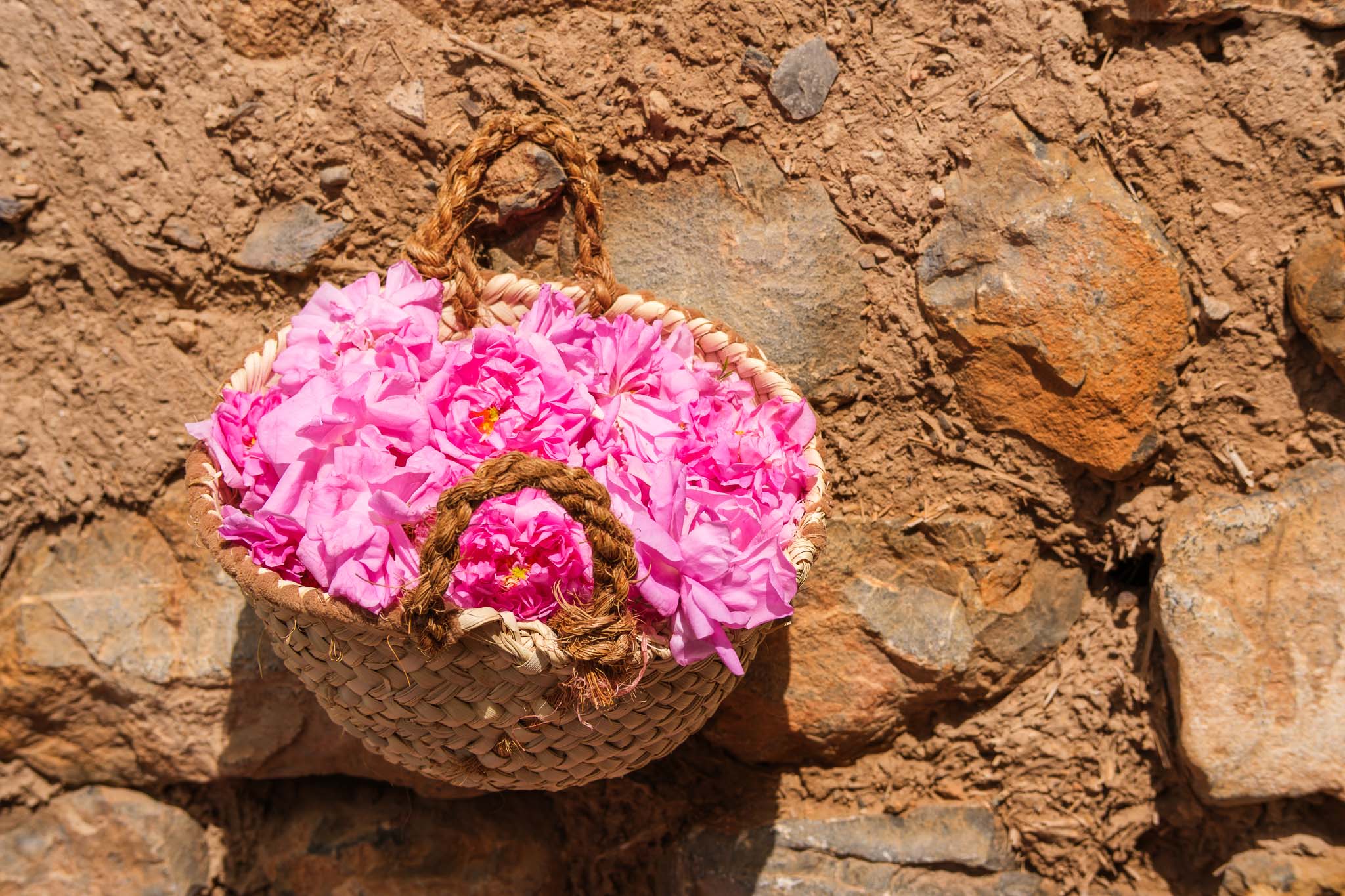
Mountain roses in Jebel Akhdar (Fujifilm X-T5, Voigtlander 50mm f/1.2).Picking the flowers in Jebel Akhdar (Fujifilm X-T5, Voigtlander 50mm f/1.2).Flower basket, Jebel Akhdar (Fujifilm X-T5, Voigtlander 50mm f/1.2).
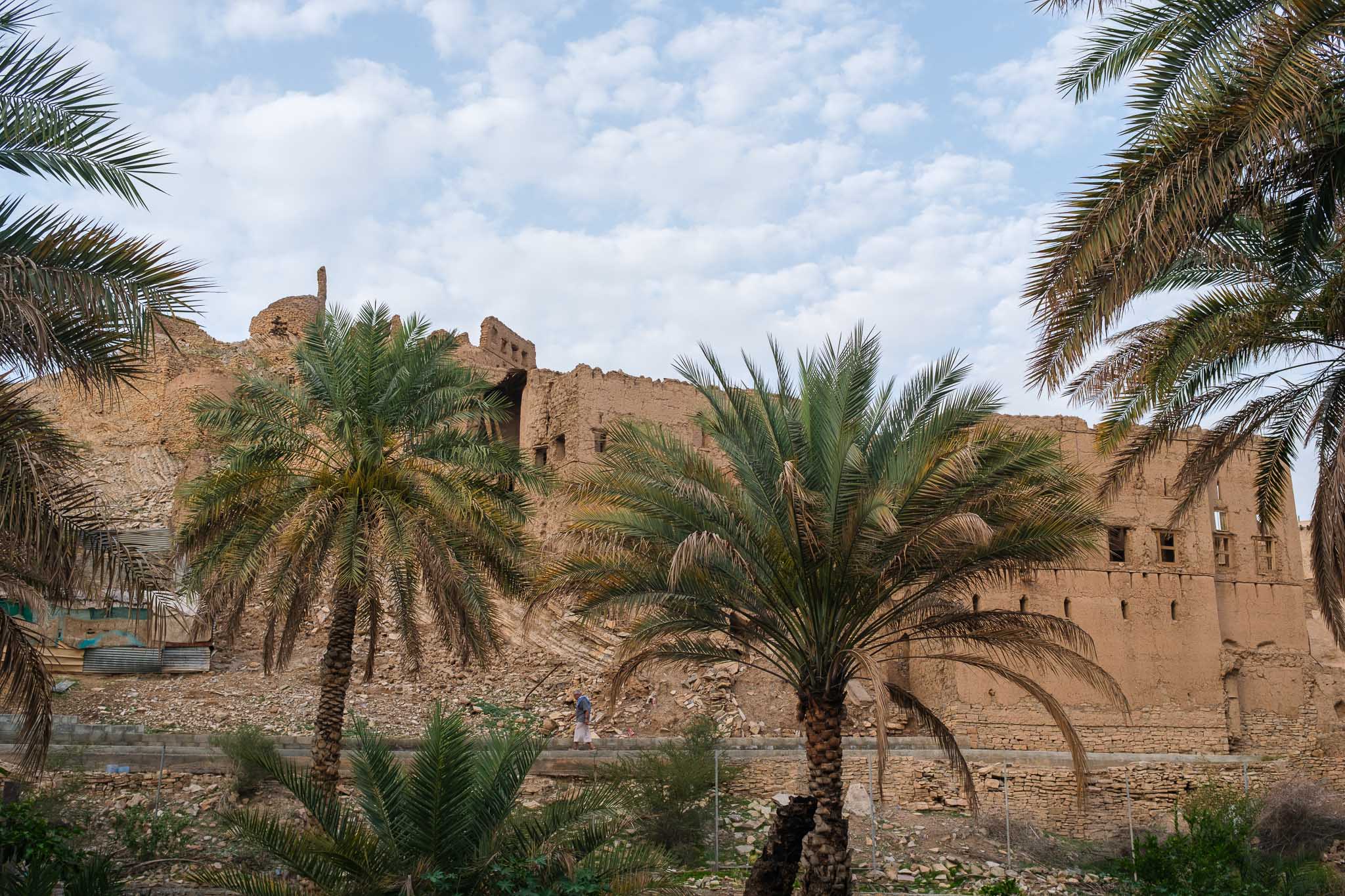
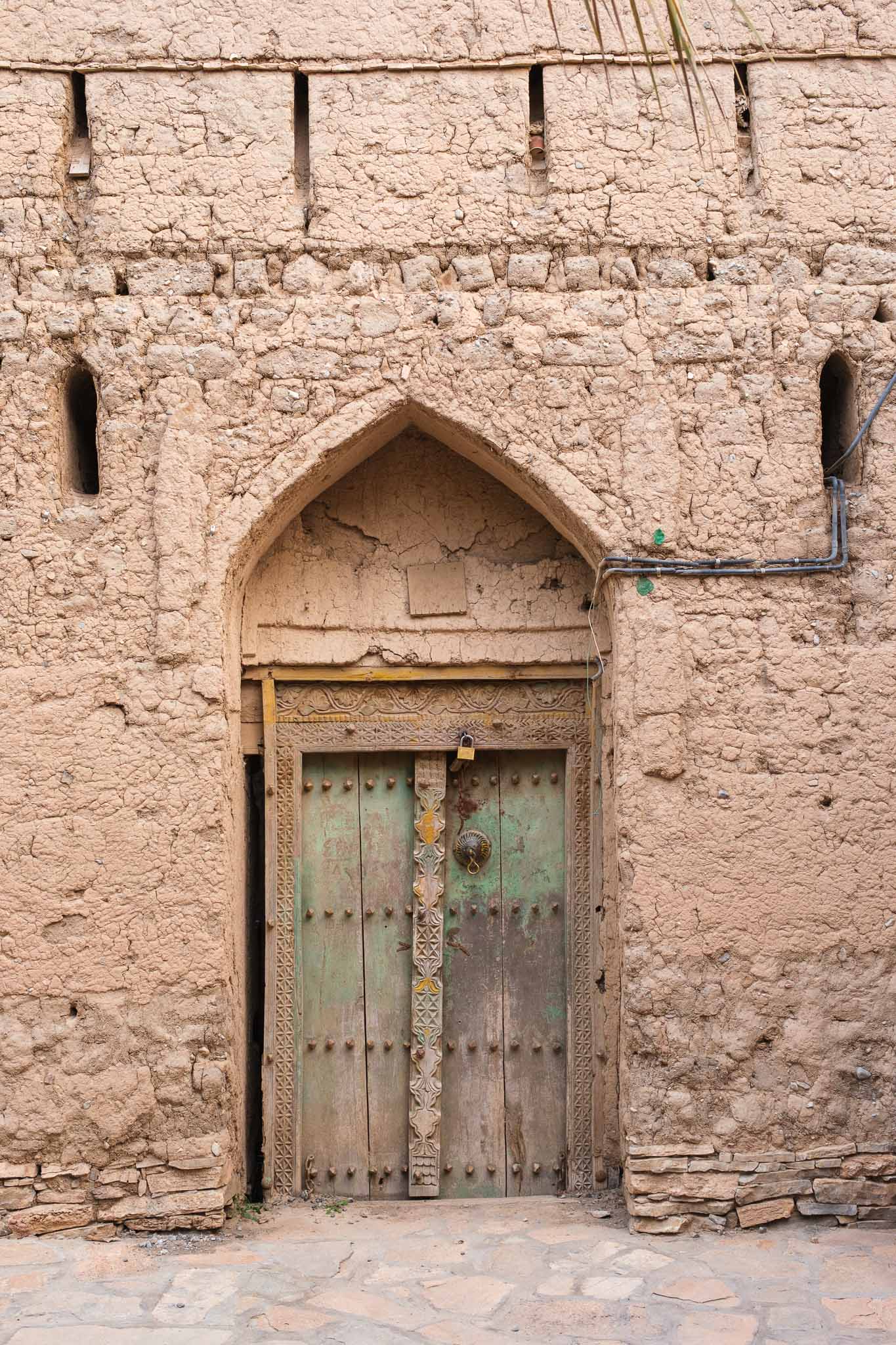
The road that takes you up to Jebel Akhdar passes through Birkat Al Mawz; as a result, I have driven many times through it, but never really explored it. Strategically located, the village guards the entrance to Wadi Muadin, which is a gateway to the mountains. It is one of Oman’s historically significant villages, providing the experience of a strong connection to a traditional agricultural past, which is preserved in the stone water channels and mud-brick houses frozen in time. These old houses were abandoned 50 – 60 years ago, as families moved to coastal cities attracted by new employment opportunities.
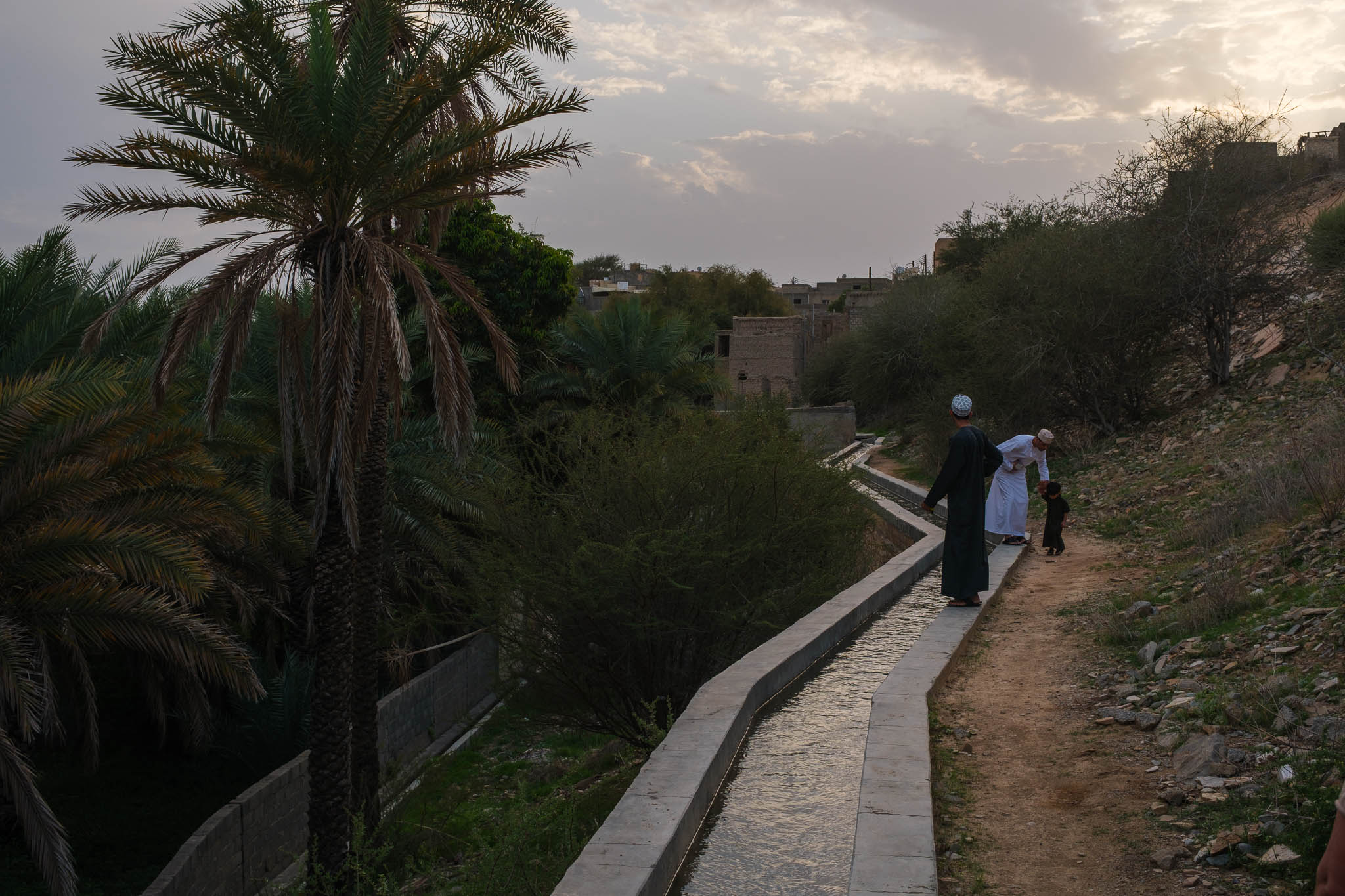
The ”falaj walk” starts near the parking area and is easy going, as it follows the irrigation system. The village’s ancient falaj system continues to perform its 1,500-year-old function, channeling mountain spring water through gravity-fed canals to irrigate date palms, banana plantations, and vegetable gardens. I visited during the late afternoon and really enjoyed walking along the old buildings and lush plantations, with the sound of running water for company. I wanted to photograph the village and its plantations against the mountain background, but the light was poor, with a heavy cloud cover. As always, landscape photographers depend on the light quality, but I decided to come back the following day before sunrise.
Historical walk (Fujifilm X-E5, Voigtlander 27mm f/2).Door (Fujifilm X-E5, Voigtlander 27mm f/2).Along the falaj (Fujifilm X-E5, Voigtlander 27mm f/2).
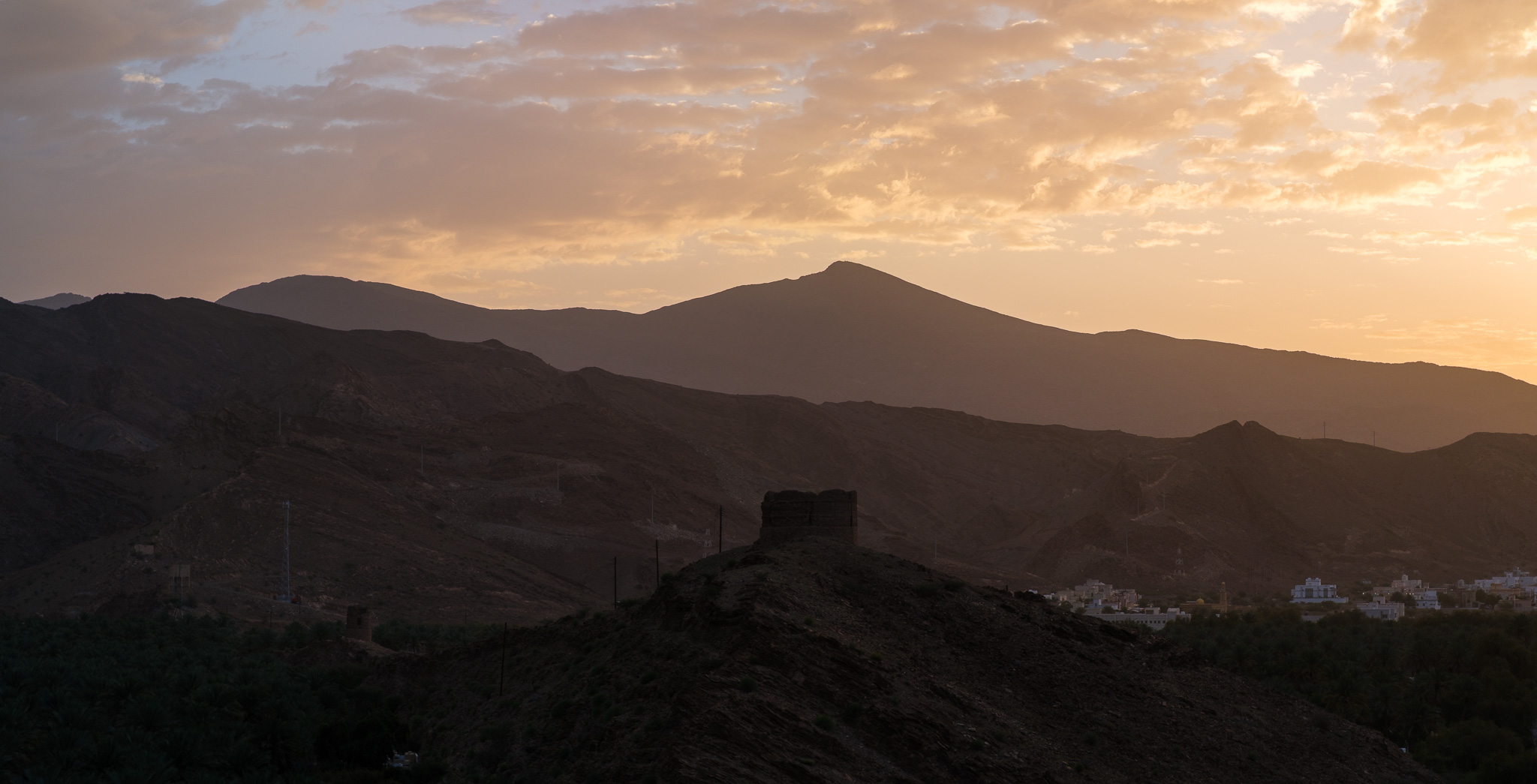
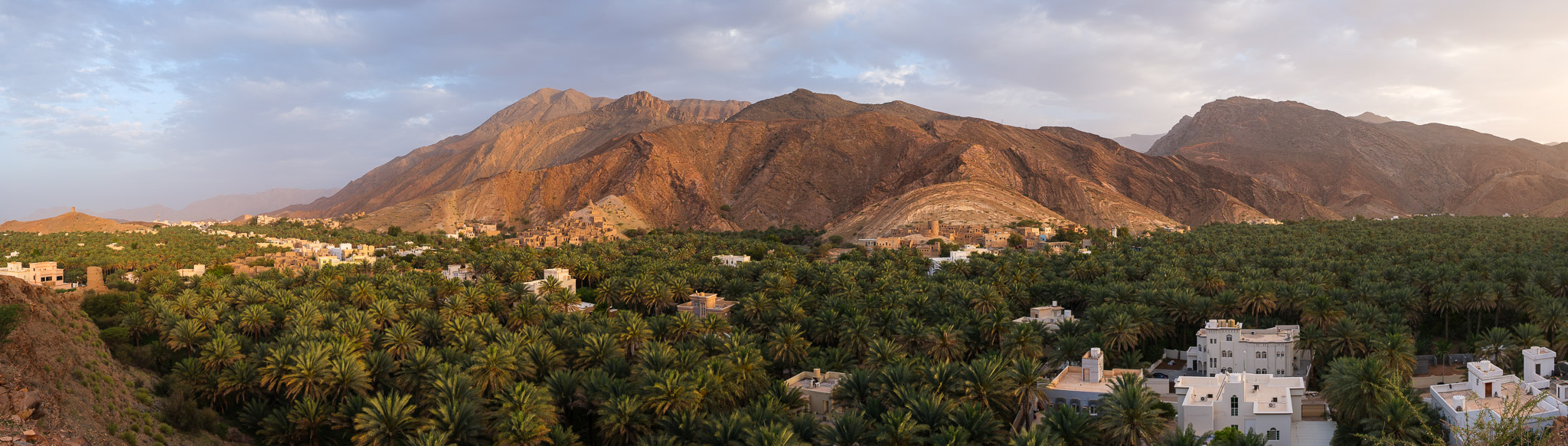
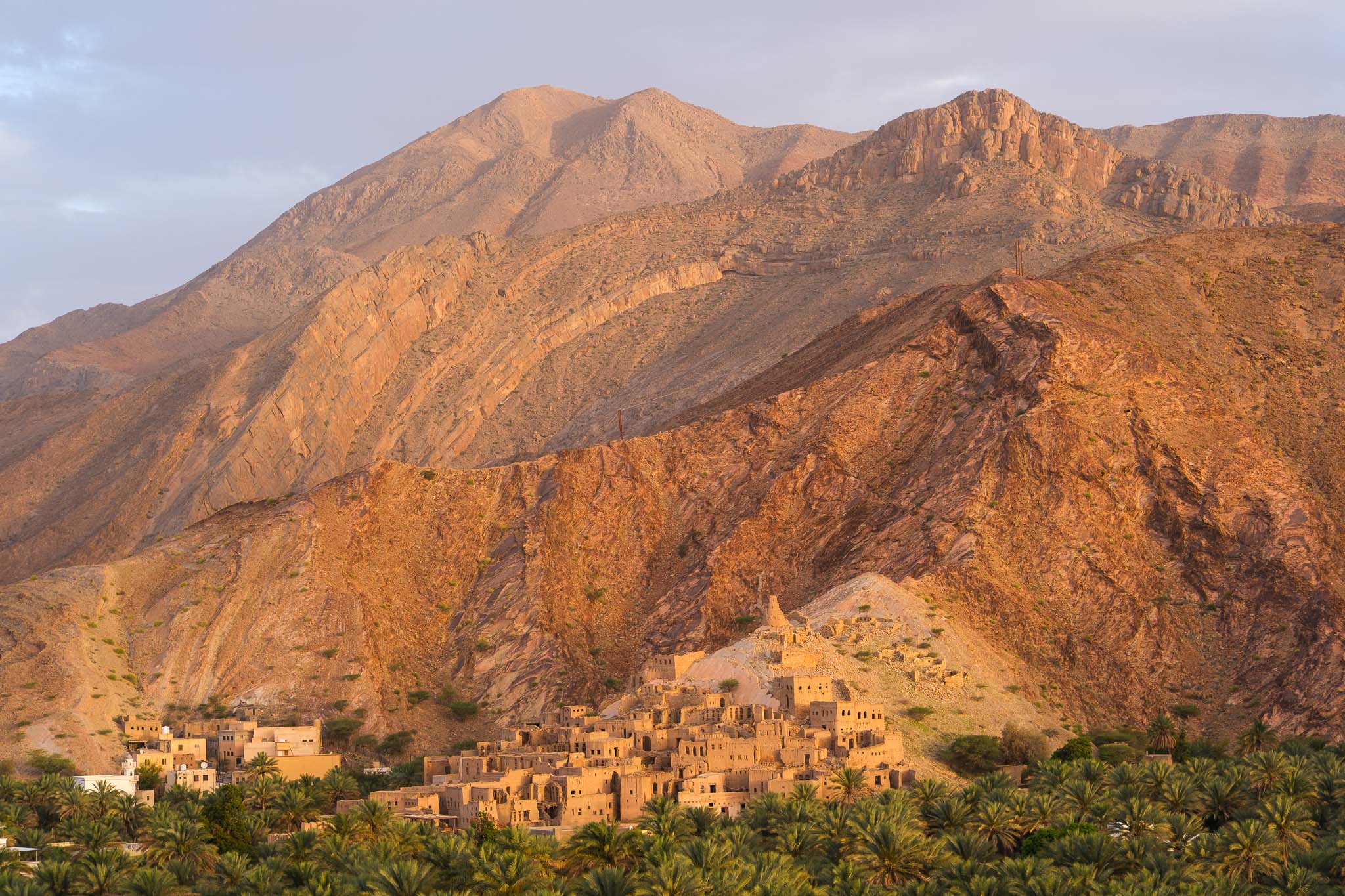
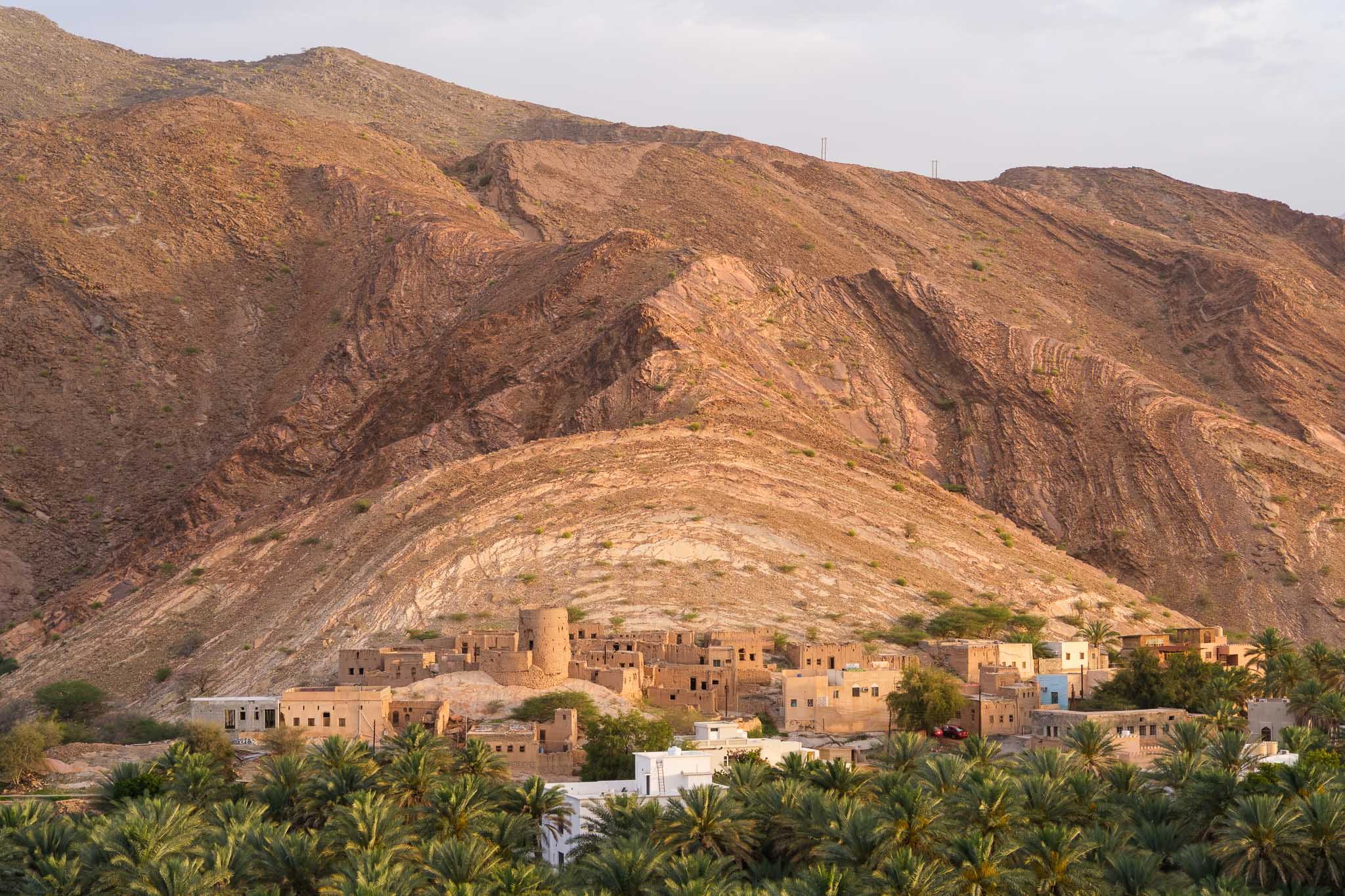
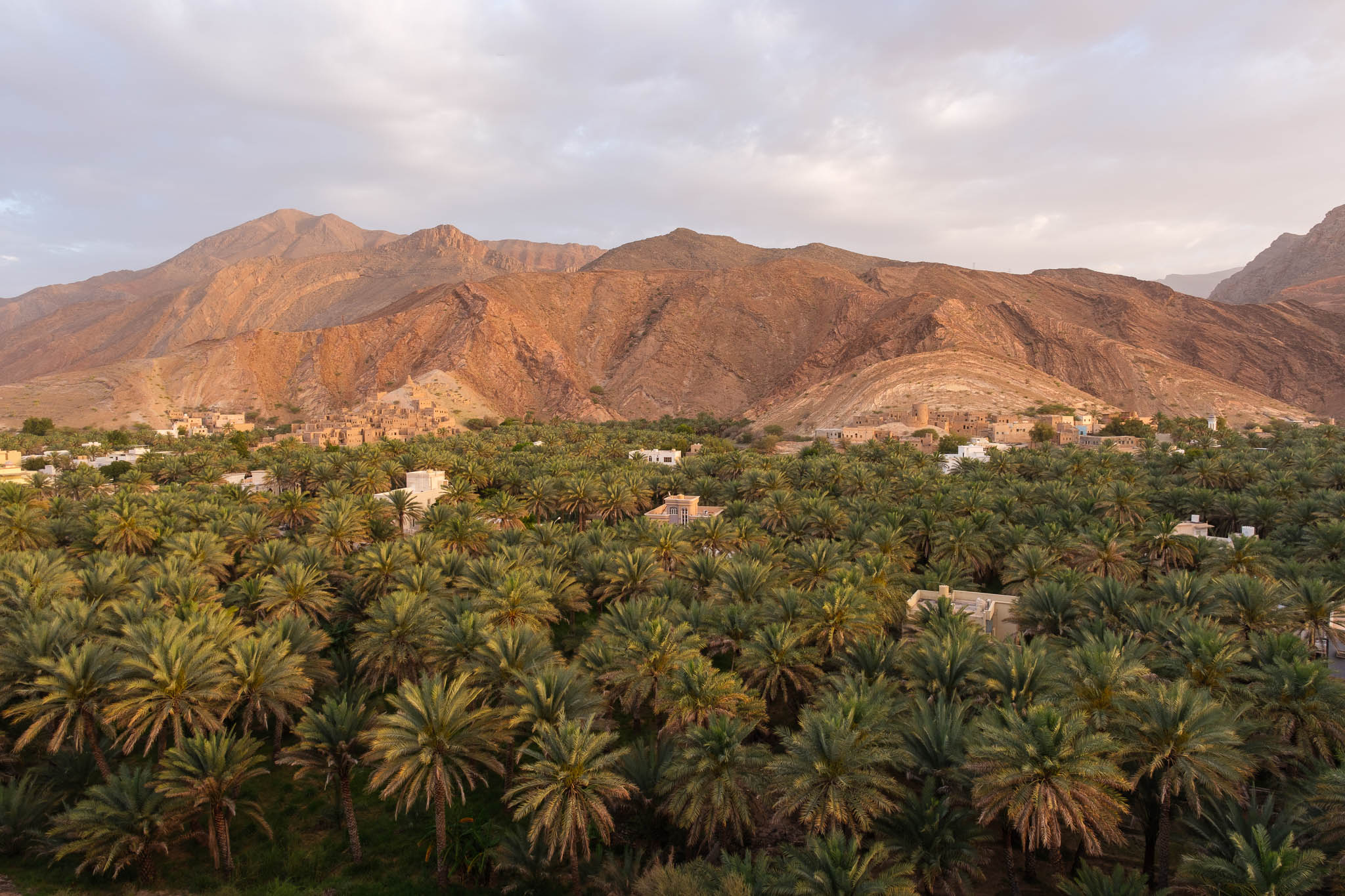
It turned out that I was lucky and at sunrise the next day there was a brief period where sunlight broke through the clouds. I was ready at a nearby viewpoint overlooking the beautiful landscape in front of me. I had to work very quickly, as the light only lasted for a few minutes. The mountains, abandoned villages and the lush plantations acquired a new life, very different from the previous day. The following photos were taken with my usual Fujifilm X system cameras and lenses, which I carried in my backpack.
Viewpoint sunrise (Fujifilm X-E5, Voigtlander 27mm f/2). Panorama assembled from 2 photos.Scenic sunrise (Fujifilm X-E5, Voigtlander 27mm f/2). Panorama assembled from 13 photos.Old village (Fujifilm X-T5, Voigtlander 50mm f/1.2).Old village (Fujifilm X-T5, Voigtlander 50mm f/1.2).Old villages and plantations (Fujifilm X-T5, Sigma 15mm f/1.4).
After less than 30 minutes of this high quality of light, the sun was again obscured by clouds, effectively ending my photo session. However, I was fortunate to photograph this beautiful landscape with such excellent sunrise light.